

- Home
- Blog
- Tattoo Ideas
- Red and Swollen Piercing Hole: Why the Error is Recommended to Avoid
Red and Swollen Piercing Hole: Why the Error is Recommended to Avoid


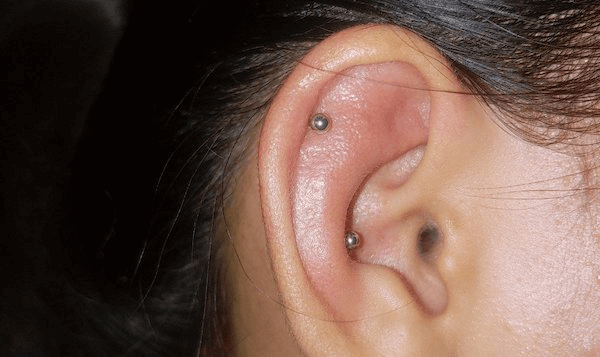
Many people experience red and swollen piercing holes after a few days of performing, causing pain and discomfort. If not taken care of promptly, it can lead to infection. The following article by SuTran Tattoo Studio will help you identify the cause and guide you on how to handle it safely at home.
Which Piercing Spots Are Most Prone to Infection?
Normally, when piercing ears, people will choose one of two popular locations: the earlobe or the auricle. The earlobe is a soft area, containing many blood vessels, so it heals easily and has few risks. Meanwhile, the auricle is mainly made of cartilage, has low blood flow, so it is susceptible to inflammation if not properly cared for. Each location will have a different recovery rate and the possibility of infection is also different. The earlobe usually recovers quickly, while the auricle is prone to swelling, redness, and prolonged pain if not kept clean. Statistics show that about 35% of people who have had their ears pierced have experienced some common complications such as:
-
Minor infections affect 77% of new piercings
-
Allergies to jewelry materials occur in 43%
-
Keloid scarring appears in 2.5%
-
Tears due to trauma affect another 2.5%

Which piercing locations are most likely to cause infection?
Common Signs of Red Swollen Ear Piercing
Piercing has become a familiar trend among young people, however, not everyone foresees the risks that affect health. So how to detect a piercing that is having an infection problem?
Here are some signs:
-
The area around the piercing may appear swollen, red and painful to the touch.
-
A pale yellow or white discharge may be seen, sometimes accompanied by pus.
-
The infected person may have a slight fever and if it persists, special attention should be paid as this is a sign of a more serious infection.
-
Complications usually arise within 2 – 4 weeks after piercing, however, if not cleaned properly even with an old piercing, the risk of infection is still entirely possible.
What Causes Redness and Swelling After an Ear Piercing?
Swelling in the ear after piercing is something that many people have experienced. This condition usually arises from a number of obvious causes such as:
Unsterile Piercing Tools
Using unclean corner equipment is the leading cause of infection infection infection. When the tools are not properly prevented, bacteria can enter the newly irritated skin area causing inflammation and fire. Therefore, you should choose professional facilities with available and clear disinfection procedures to ensure safety.
Inappropriate Diet Post-Piercing
Eating sticky rice, seafood, beef, or spicy food may worsen inflammation. Maintaining a clean, balanced diet supports quicker healing.

Improper eating can cause ear piercings to become red and swollen.
Poor Piercing Hygiene
If you don’t clean your piercing regularly or take good care of it, bacteria can easily grow and cause infection. This is especially true with piercings made of sterling silver or heavy metals. Regular cleaning is the best way to minimize inflammation.
Metal Allergies
Many people are allergic to metals such as nickel or alloys. When wearing earrings containing these substances, the ear canal may become itchy, red and swollen. To avoid irritation, you should use earrings made of pure silver or stainless steel, materials that are friendly to sensitive skin.
What to Do If Your Piercing Gets Infected
If you notice any swelling, pain, or unusual discharge from your pierced ear, it is possible that the piercing hole has become infected. In this case, it is important to clean it properly with sterile saline. If you suspect that your ear cartilage is infected, go to a medical facility immediately for examination and safe treatment.
You can follow the home care steps below:
-
Wash hands thoroughly with antibacterial soap
-
Mix ½ teaspoon of salt in 240ml of warm water
-
Soak a cotton pad in the solution and gently press on the swollen area (no need to remove the earring)
-
Leave for a few minutes, then pat dry with a clean towel
-
Apply a thin layer of OTC antibiotic ointment (e.g., bacitracin or Neosporin)
-
Gently rotate the earring to avoid it sticking to the skin during healing

What should I do if I find my piercing showing signs of infection?
Proactive Tips to Avoid a Red and Swollen Ear after Piercing
If you do not see any signs of infection after piercing your ear, do not ignore it. Taking the initiative to take proper care will help the piercing heal quickly and minimize the risk of complications. Here are some steps to take:
-
Keep the earring in place day and night, without removing it until the piercing is completely healed, which can take up to 6 weeks
-
Always wash your hands with soap and water before touching your ear or piercing
-
Clean the piercing area twice a day with a mild soap or non-irritating cleanser, then pat dry with a soft, clean towel
-
Apply an antiseptic solution such as rubbing alcohol or antibiotic ointment to the skin around the piercing twice a day to prevent bacteria
-
Finally, after applying the medicine, gently rotate the earring to prevent it from sticking to the skin and to help the piercing hole breathe, making it easier to heal.
Through this, it can be seen that a red and swollen piercing is a condition that should not be taken lightly and needs to be properly cared for to avoid infection. Thorough cleaning and reasonable abstinence will help the recovery process go more smoothly. If you have a need for piercing or tattooing, come to SuTran Tattoo Studio, a reliable address for you.
RELATED POST
Matching Tattoo Ideas For Couples: Best Ideas, Designs & Meaningful
8 June 2026
Wrist Tattoo Ideas for Every Style and Personality
3 June 2026
Minimalist Full Hand Tattoos: Elegant Designs With Meaning
3 June 2026
Best Rose Tattoo Designs For Men And Women
1 June 2026
Hand Tattoos for Men: Best Ideas, Designs & Placement Guide
27 May 2026
Tattoo Lettering: Meaning & Letter Tattoo Designs
25 May 2026