

- Tổng quan
- Blog
- Tattoo Ideas
- Piercing Aftercare Guide: How to Clean and Heal Any New Piercing
Piercing Aftercare Guide: How to Clean and Heal Any New Piercing


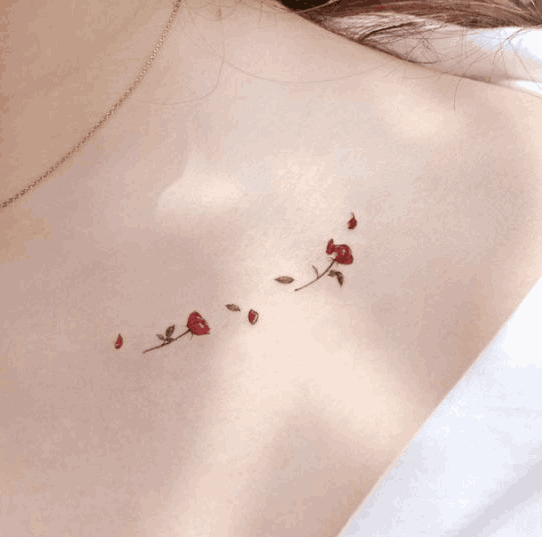
A new piercing looks great on day one and then, somewhere around day three, starts to look a little angry — a bit of redness, some tenderness, maybe a small amount of crusting. That’s normal. What actually determines whether it heals cleanly or turns into a problem is what you do in the weeks that follow. Here’s the aftercare routine we walk every client through, whatever piercing they’ve just gotten.
Daily Cleaning Routine
Good aftercare doesn’t need to be complicated. A consistent, gentle routine done correctly beats an aggressive one done sporadically almost every time.
Step 1: Gather Simple Supplies
You only need a few things: antibacterial hand soap, clean cotton swabs, and sterile saline solution. Skip anything with alcohol, hydrogen peroxide, or fragrance — they’re too harsh for healing tissue and can actually slow things down.
Step 2: Clean With Saline
Wash your hands first, always. Then soak a cotton swab in saline and gently wipe around the piercing, front and back, to loosen any crust without picking at it. Avoid soaking or flooding the area directly, since prolonged dampness around fresh piercings can encourage bacteria rather than fight it.
Step 3: Pat Dry and Leave It Alone
Pat the area dry with a clean disposable tissue rather than a towel, which can snag jewelry and reintroduce bacteria. Then leave it alone. Constant touching, twisting, or checking on a healing piercing does more harm than good.

Do’s and Don’ts While Healing
- Do clean the piercing once or twice a day — more isn’t better, and over-cleaning can irritate the skin.
- Do keep the jewelry in place until healing is complete, even if it’s tempting to take it out when it feels sore.
- Don’t swim in pools, the ocean, or hot tubs until the piercing has fully closed internally.
- Don’t let makeup, hair products, or perfume touch the area while it’s healing.
- Don’t sleep in a position that presses directly on a fresh ear or facial piercing — friction from pillows slows healing and can trigger scarring.
How Long Different Piercings Take to Heal
Healing time depends heavily on where the piercing sits and how much movement or friction that spot gets during the day. As a rough guide: earlobes need four to eight weeks, nostril piercings two to four months, cartilage points like helix or tragus three to six months, and navel piercings six to twelve months given how much they flex and rub against clothing. These ranges shift with your own skin and how consistent your cleaning routine is.
It’s worth remembering that “healed” on the surface isn’t the same as healed all the way through. A piercing can look calm and stop being sore weeks before the internal channel is actually finished forming, which is exactly why rushing a jewelry change or skipping the last stretch of cleaning tends to backfire.
Warning Signs That Need Professional Attention
Mild redness, slight tenderness, and a small amount of clear or whitish discharge that dries into crust are all part of normal healing. What isn’t normal is thick yellow or green discharge, a foul smell, swelling that keeps spreading rather than settling, or pain that gets worse instead of better after the first few days.
This guide is not a substitute for medical care. If you notice any of those signs, or develop a fever, see a professional piercer or a doctor promptly rather than trying to treat it yourself at home.
Why Aftercare Starts With a Clean Studio
Healing actually begins before you ever touch a cotton swab — it starts with how the piercing was done. At Su Tran Tattoo Studio, every piercing uses sterile, single-use needles and jewelry suited to sensitive skin, which cuts down on complications before aftercare even comes into play. The same hygiene standard runs through our tattoo aftercare in Vietnam guidance, since healing skin follows similar rules whether it’s a fresh piercing or fresh ink.
If you’re planning both during your trip, it’s worth reading up on how to book a tattoo so you can space out your appointments and give each piece proper time to heal.
Frequently Asked Questions
How often should I clean a new piercing?
Once or twice a day is enough for most piercings. Cleaning more often than that can irritate the skin and actually slow healing rather than speed it up.
Can I use alcohol or hydrogen peroxide to clean a piercing?
No, both are too harsh for fresh piercings and can dry out or damage healing tissue. Stick to sterile saline solution and gentle handling instead.
Is it normal for a piercing to form a small crust?
Yes, a thin, clear-to-whitish crust is a normal part of healing. Soften it with saline before gently wiping it away rather than picking at it dry.
What should I do if my piercing looks infected?
Keep the jewelry in unless a professional tells you to remove it, continue gentle saline cleaning, and see a piercer or doctor promptly if you notice thick discharge, spreading redness, or fever.
BÀI VIẾT LIÊN QUAN

Asian Big Pieces Tattoo Là Gì? Kinh Nghiệm Chọn Hình Xăm Lớn Phong Cách Á Đông
20 Tháng 9 2026

Vietnam Inspired Tattoo: Khi Hình Xăm Mang Hồn Cốt Việt Nam
19 Tháng 9 2026

Xăm Á Đông Kích Thước Nhỏ & Vừa: Chọn Mẫu Sao Cho Đẹp Và Bền Nét
18 Tháng 9 2026

Healed Work Tattoo Là Gì? Vì Sao Hình Xăm Đã Lành Mới Nói Lên Tất Cả
17 Tháng 9 2026

Abstract Tattoo Là Gì? Giải Mã Phong Cách Xăm Trừu Tượng Đang Được Săn Đón
16 Tháng 9 2026

Color Work Tattoo Là Gì? Kinh Nghiệm Xăm Hình Màu Đẹp, Bền Từ Sutran Tattoo Studio
15 Tháng 9 2026