

our GALLERY.
VIETNAM INSPIRED
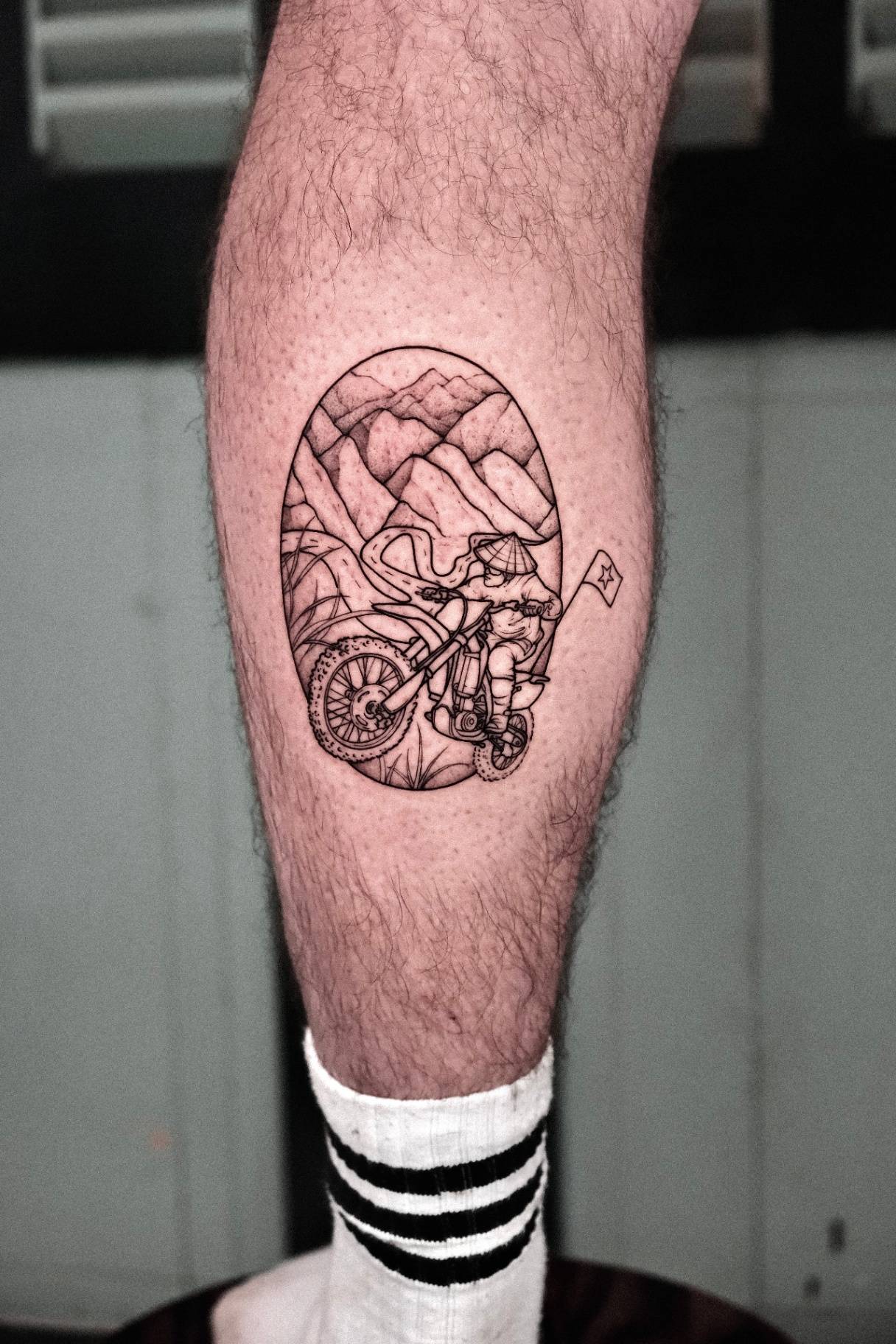
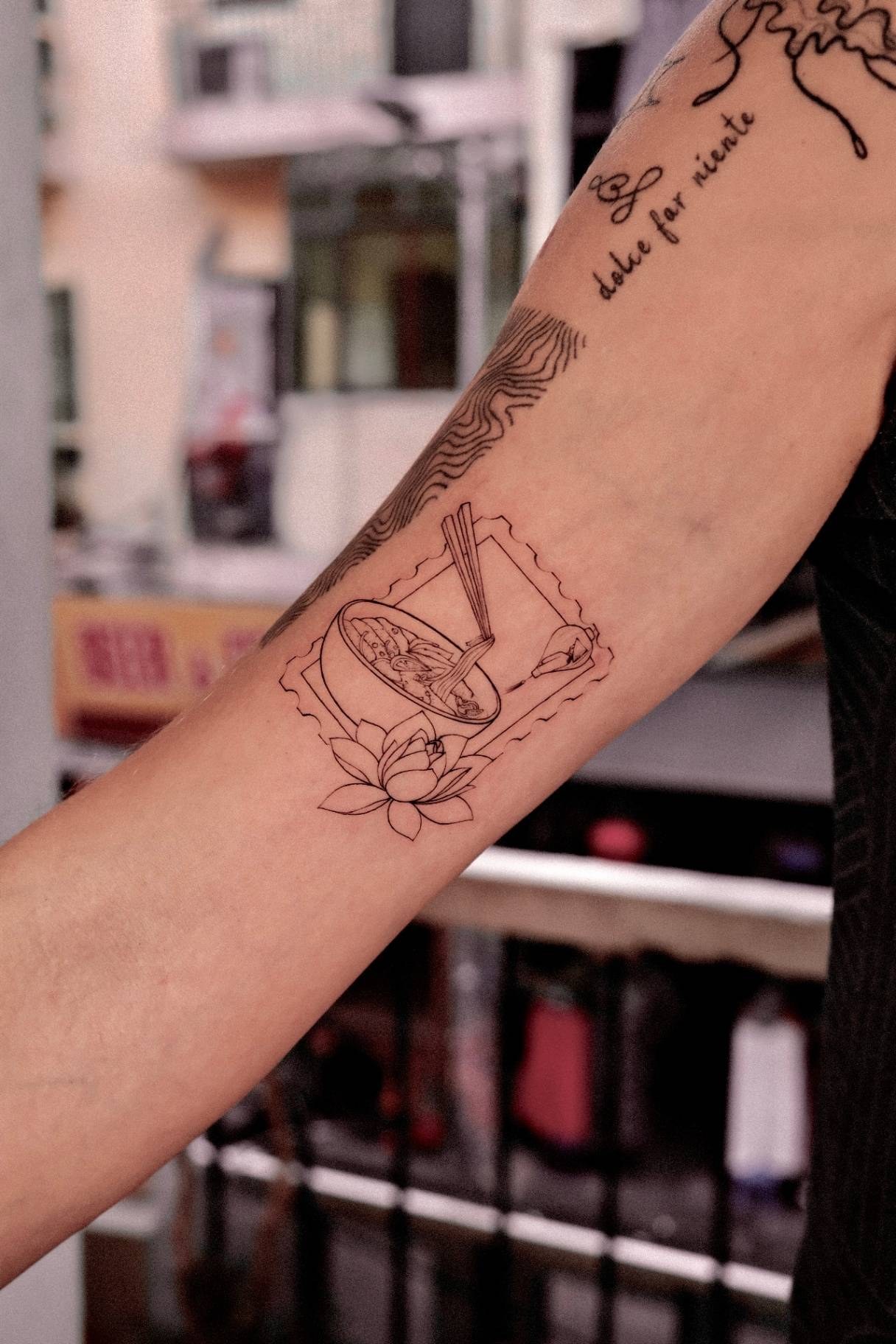
Inspired by the streets, culture, food, and soul of Vietnam — with a touch of local magic.
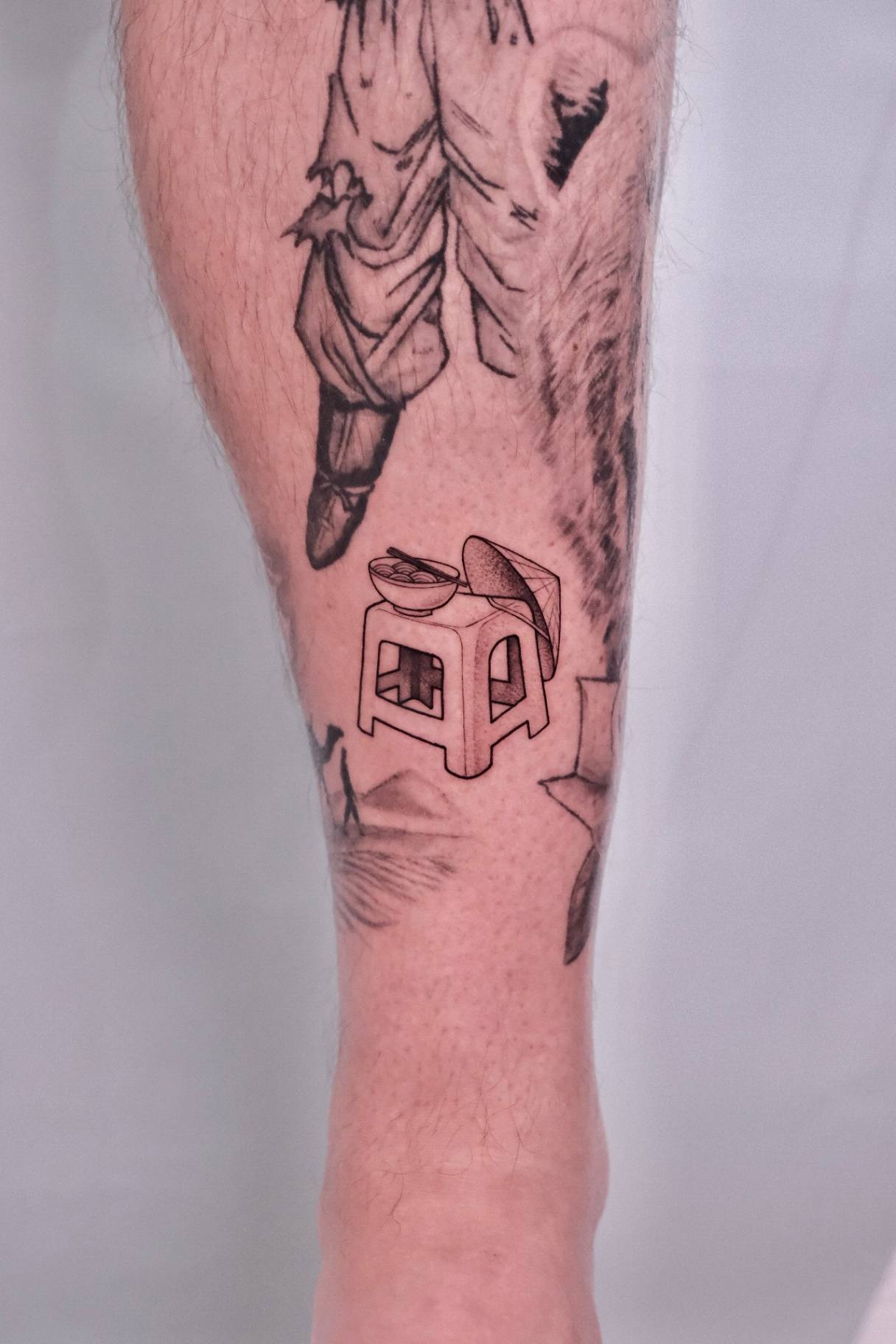
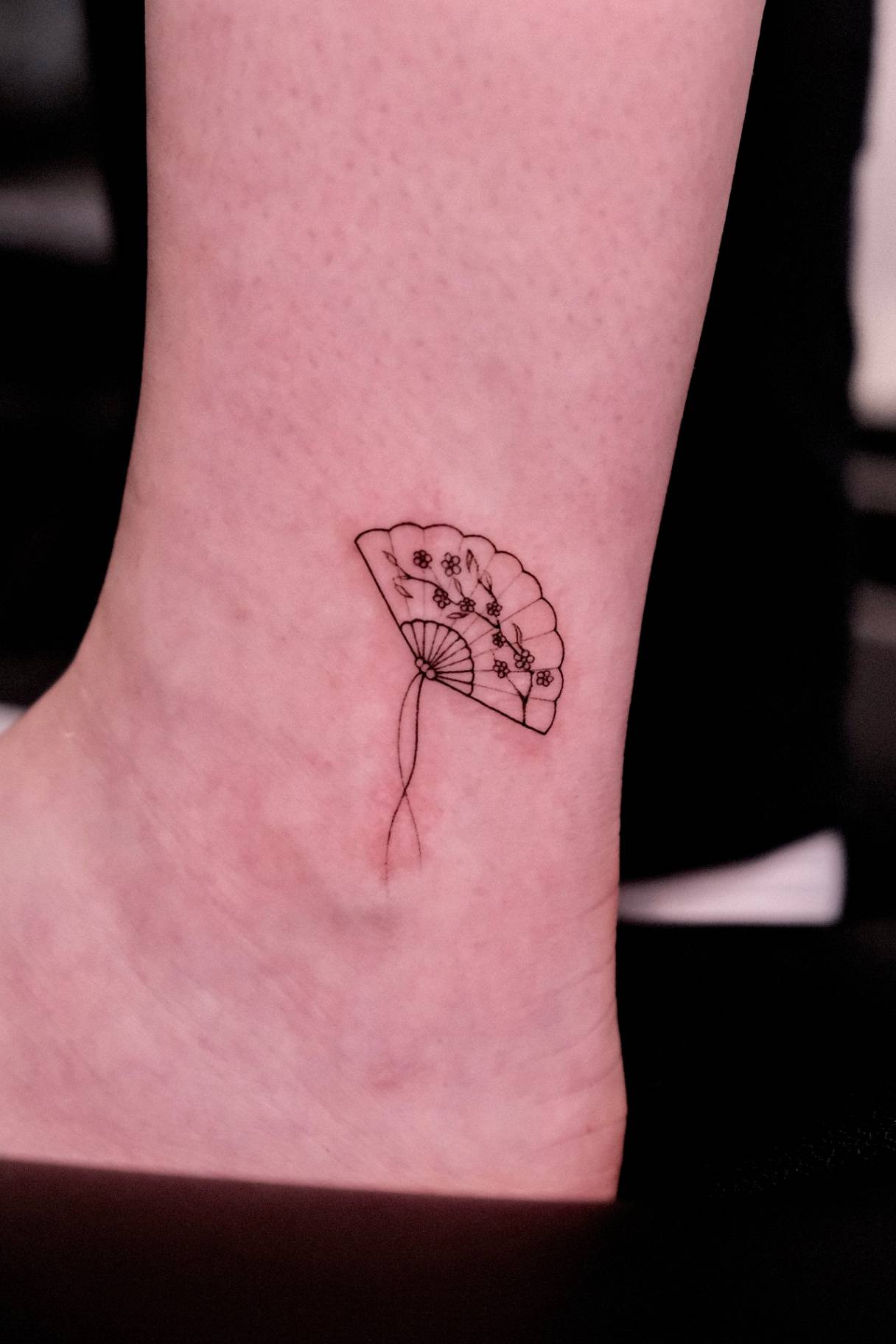
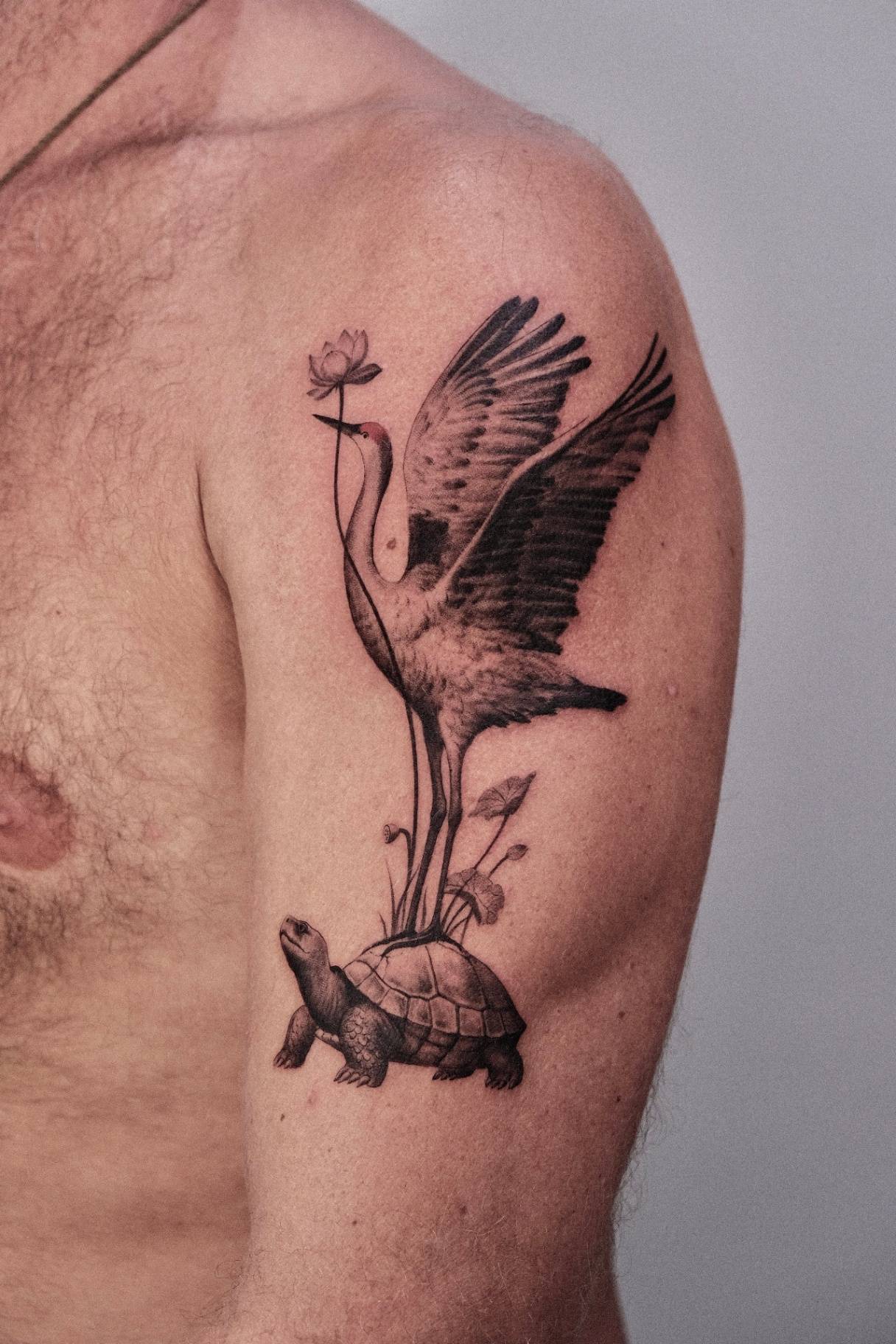
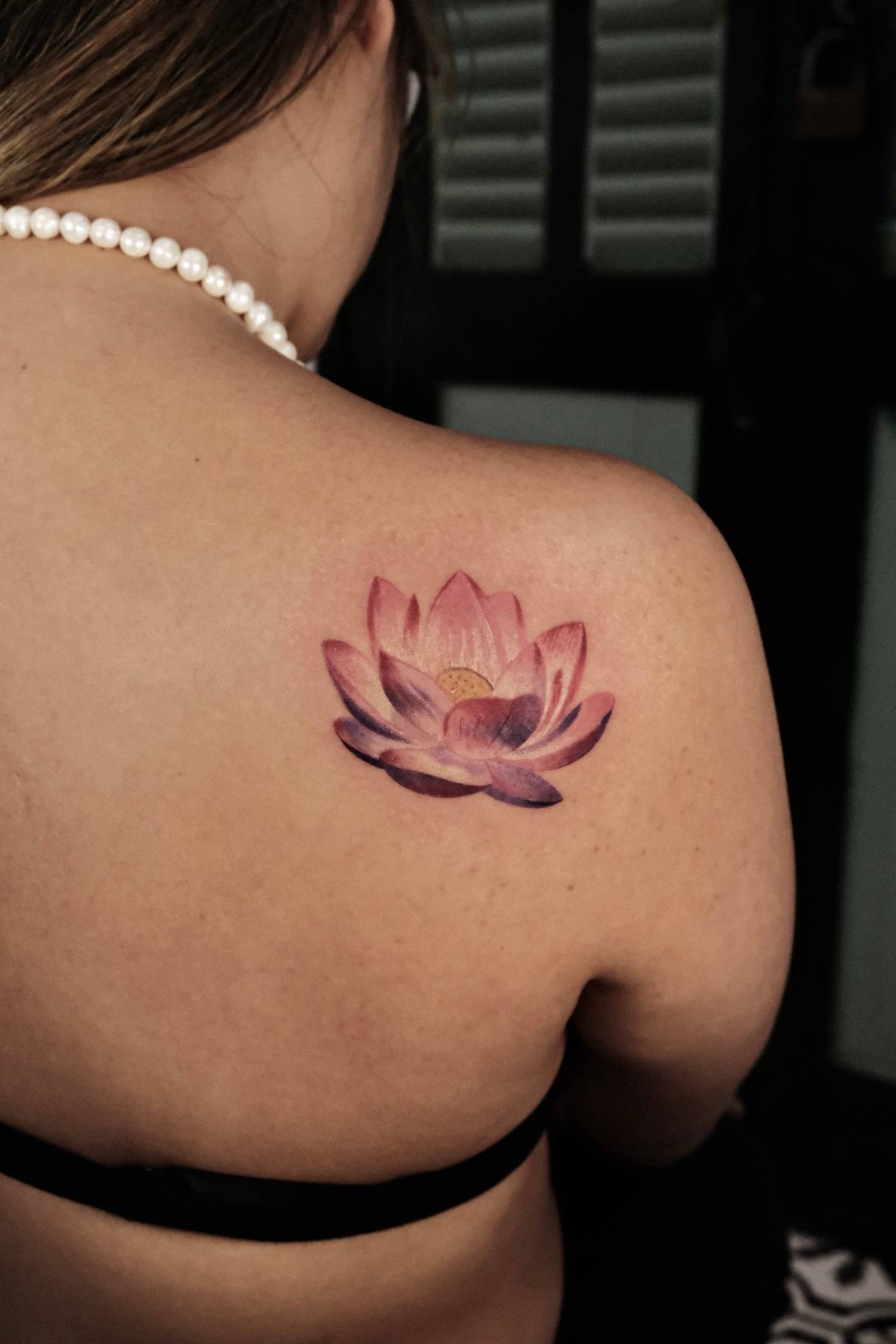
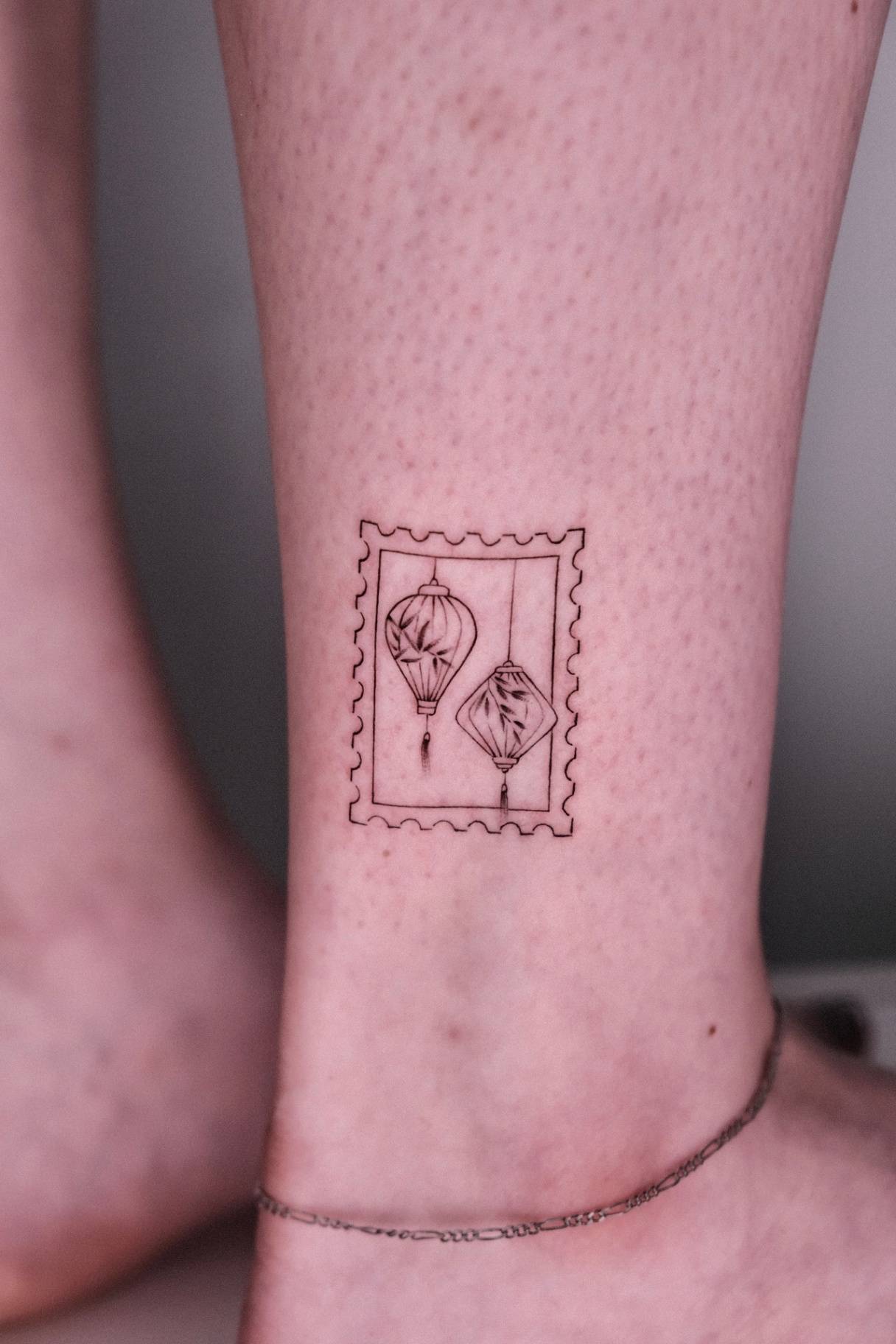
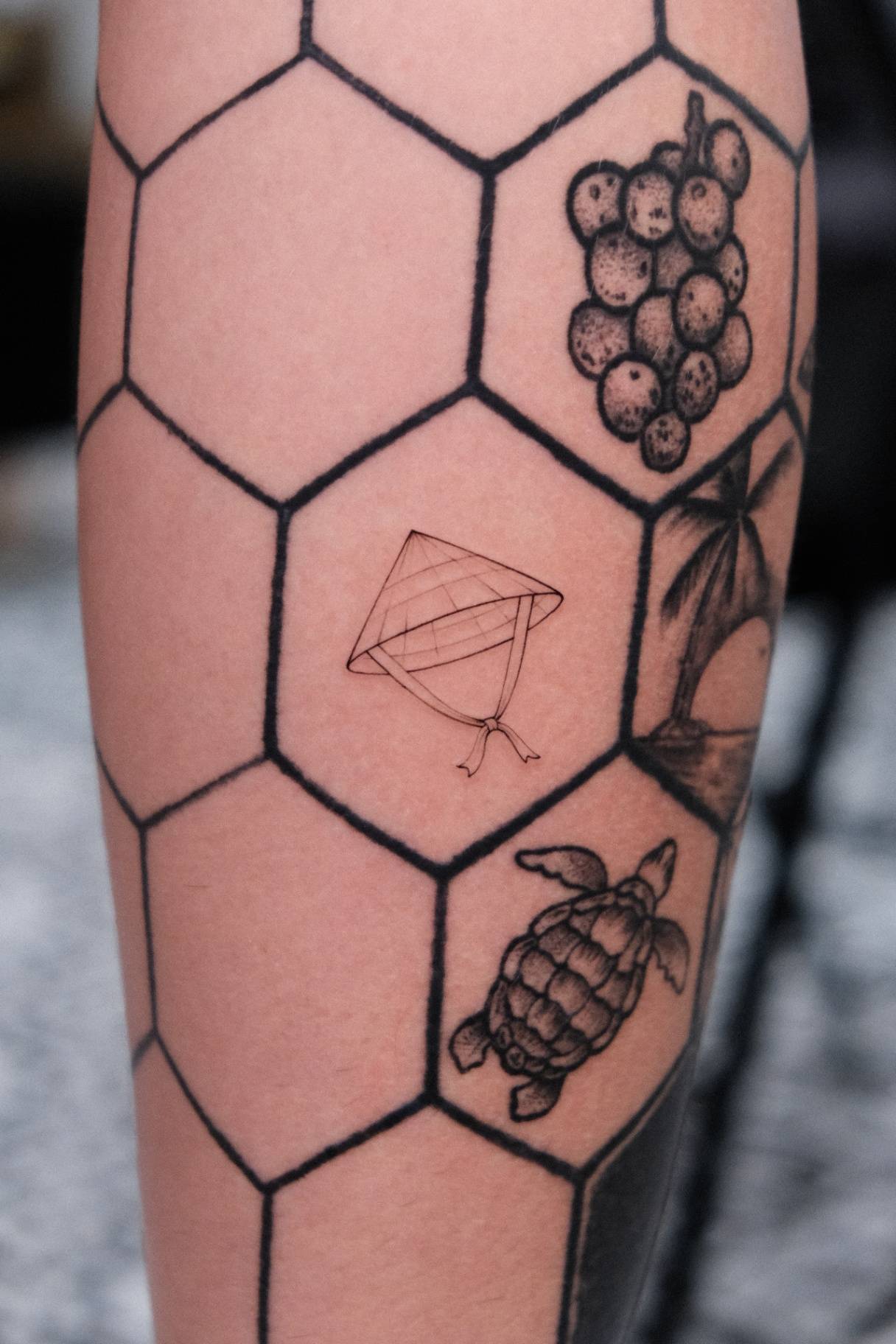
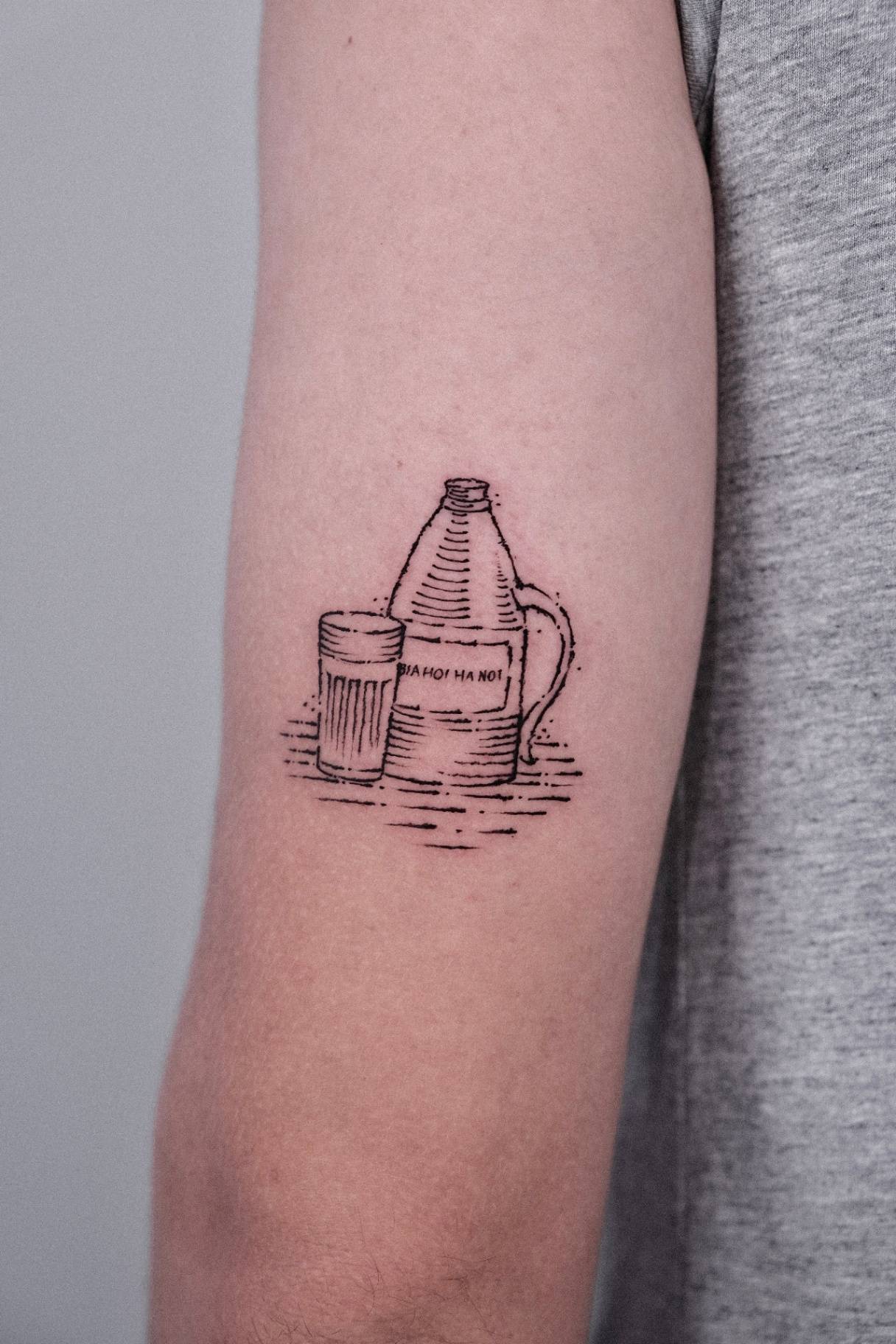
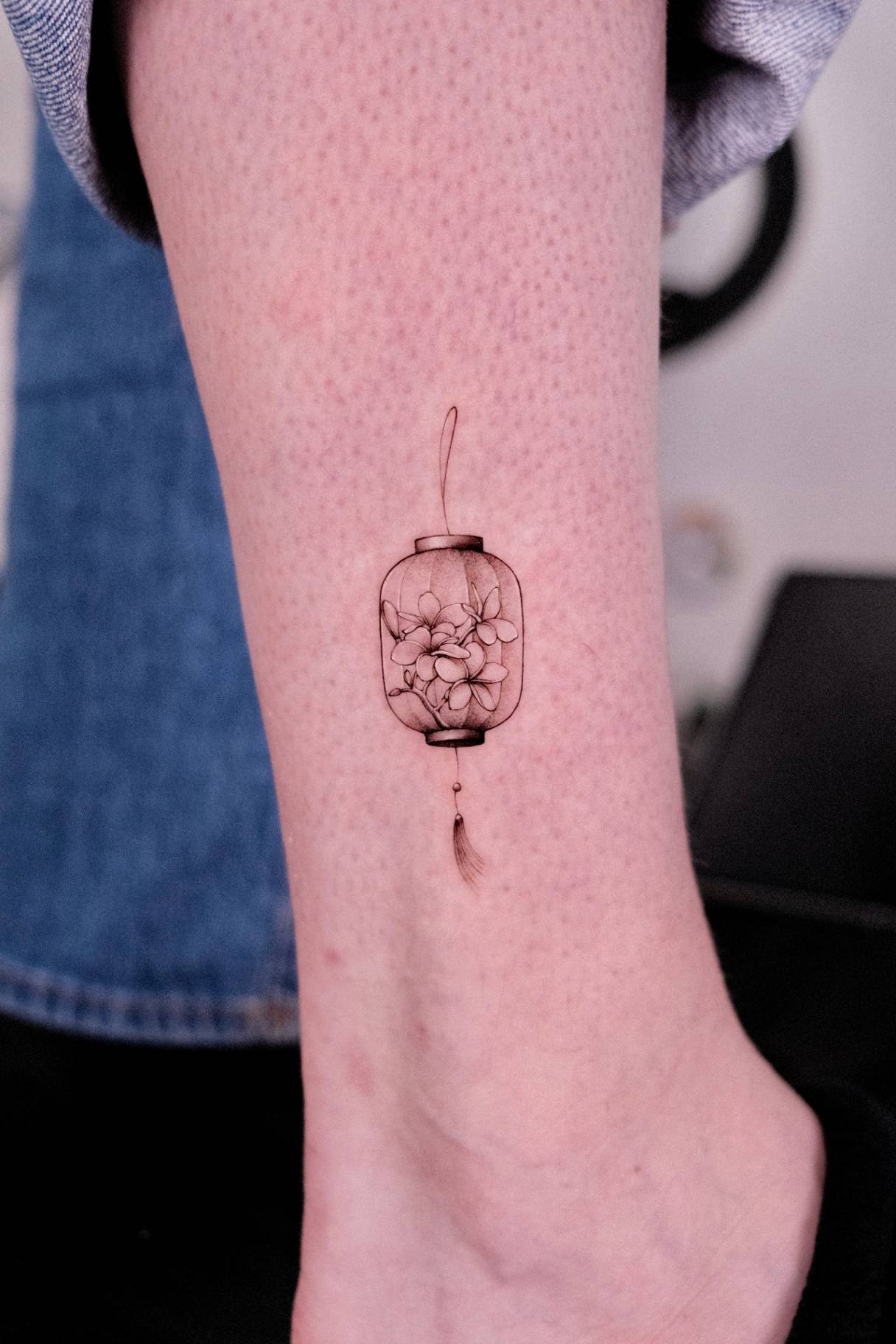
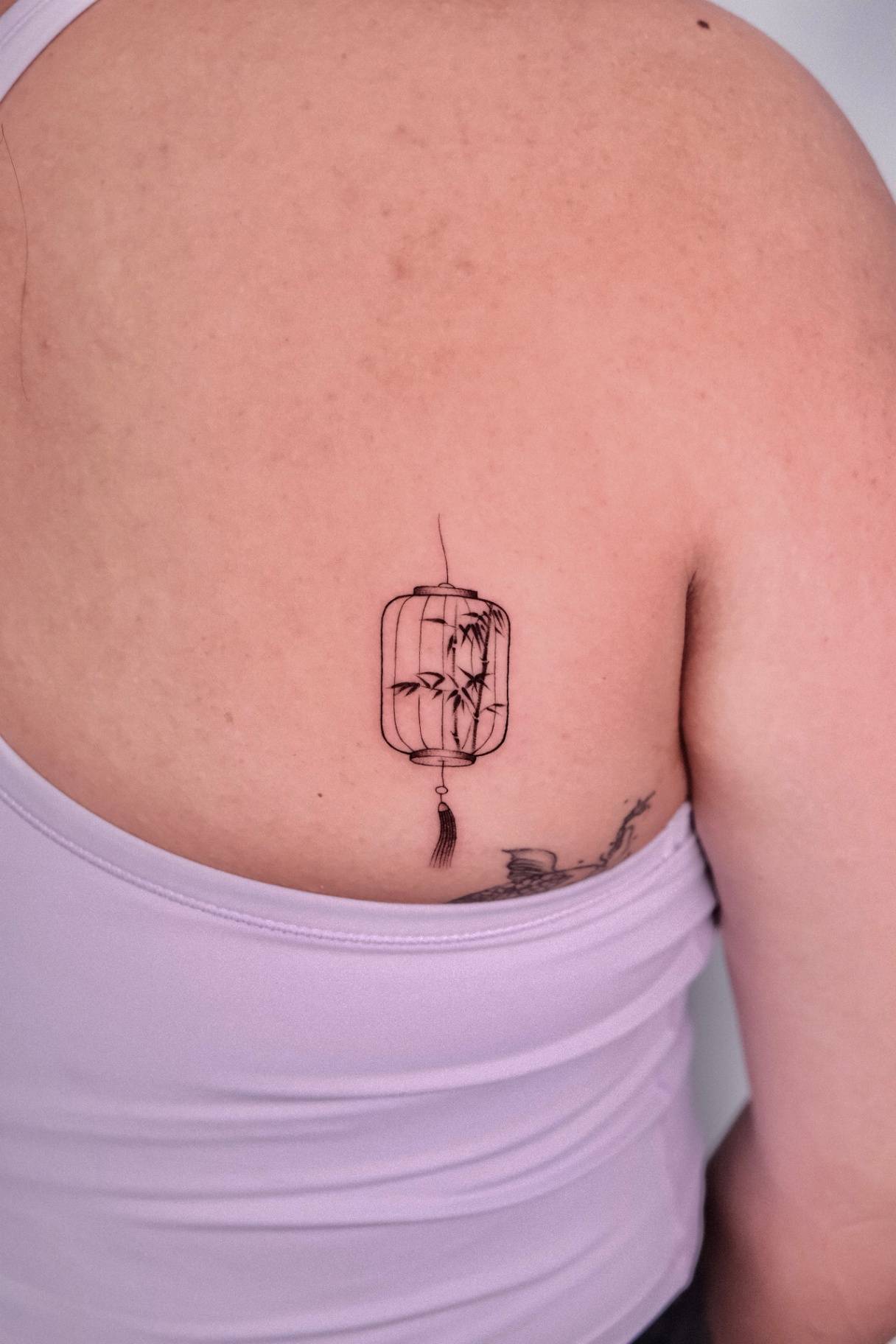
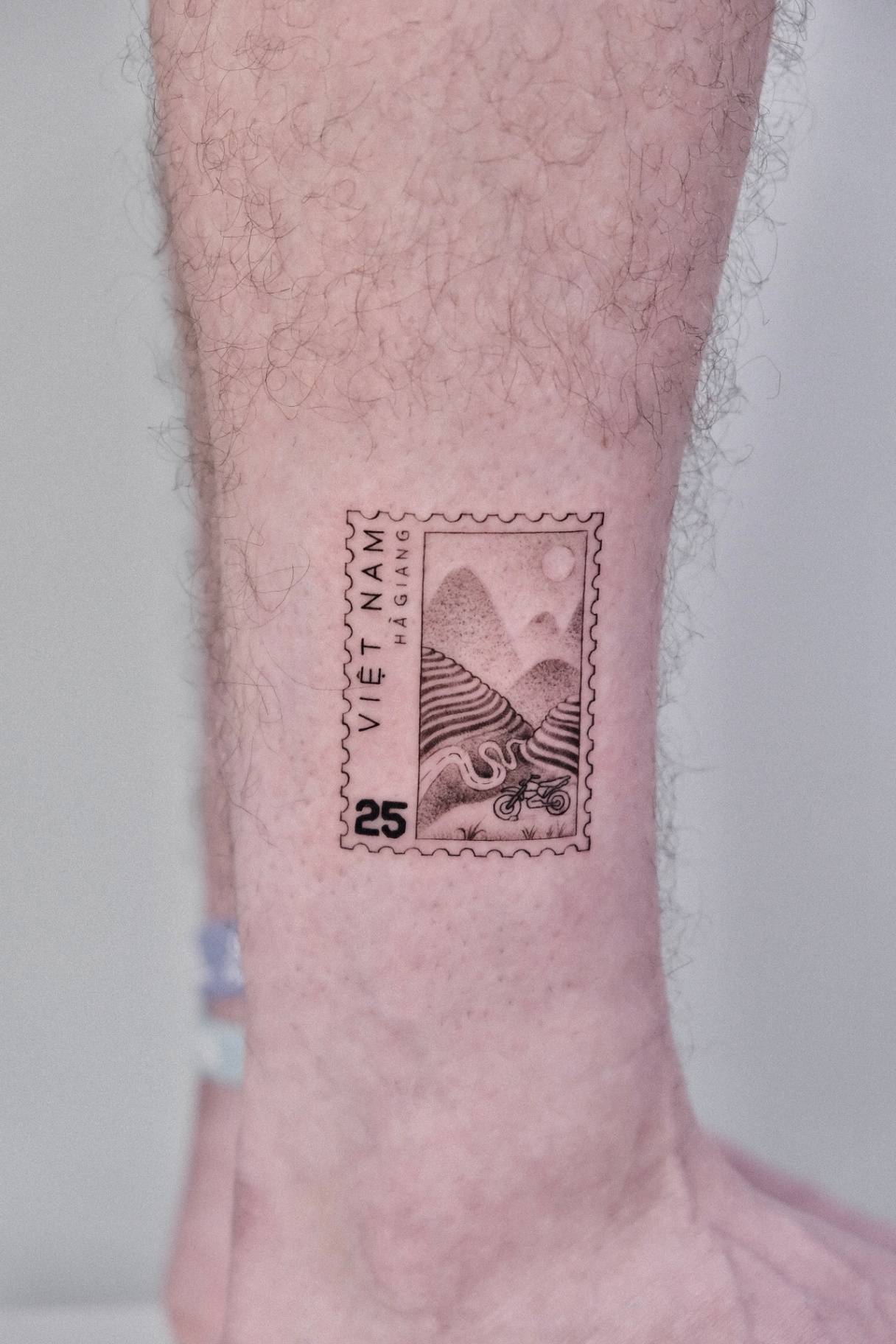
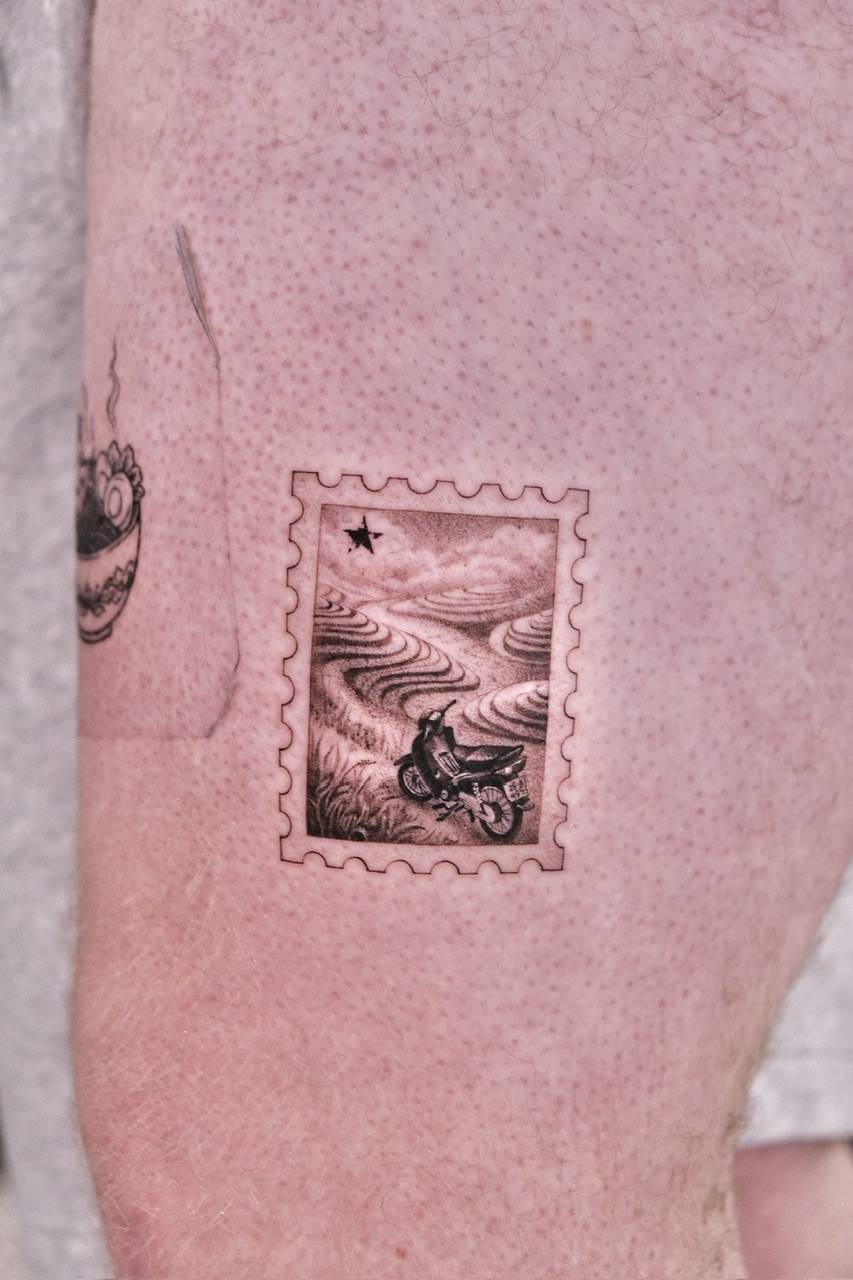
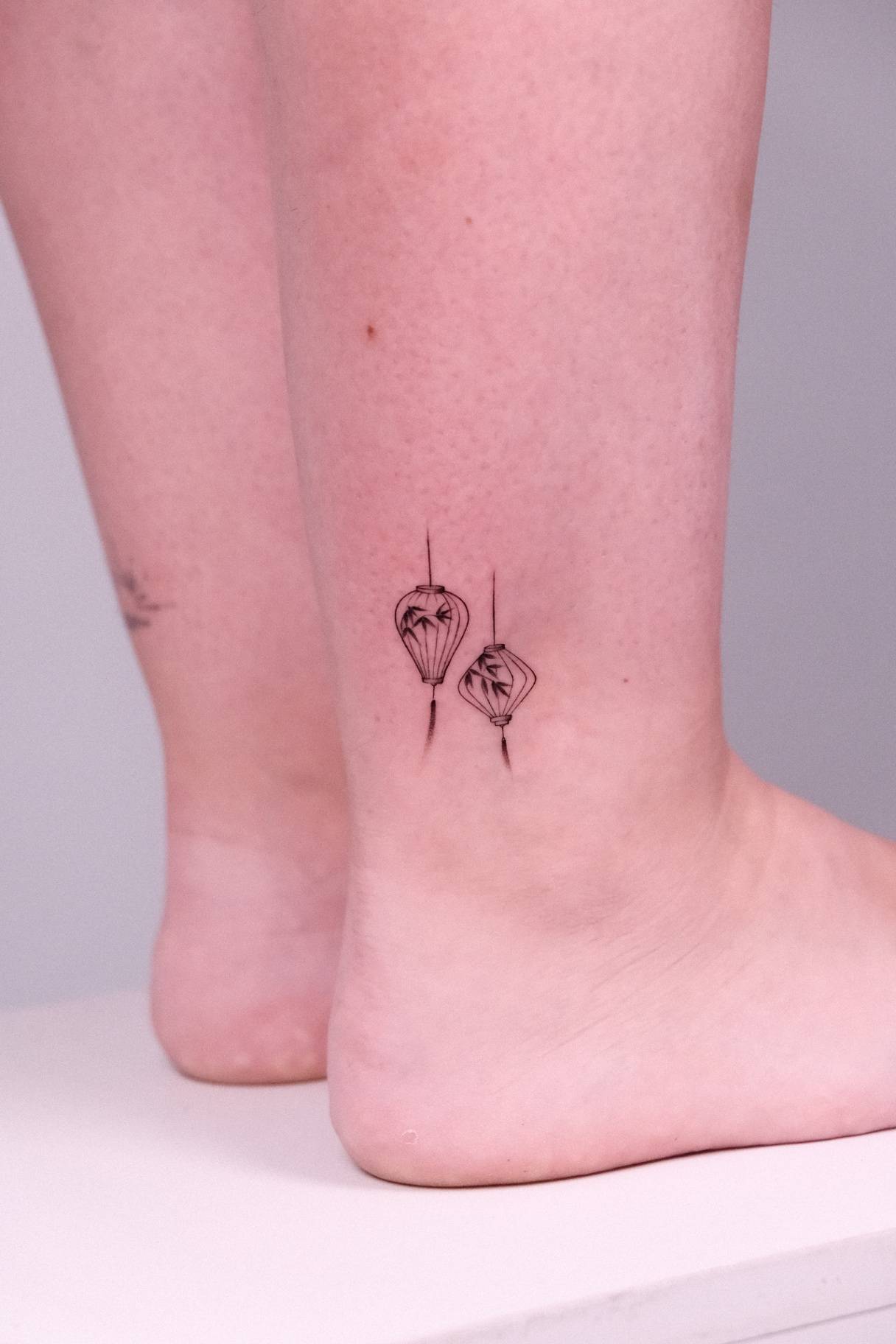
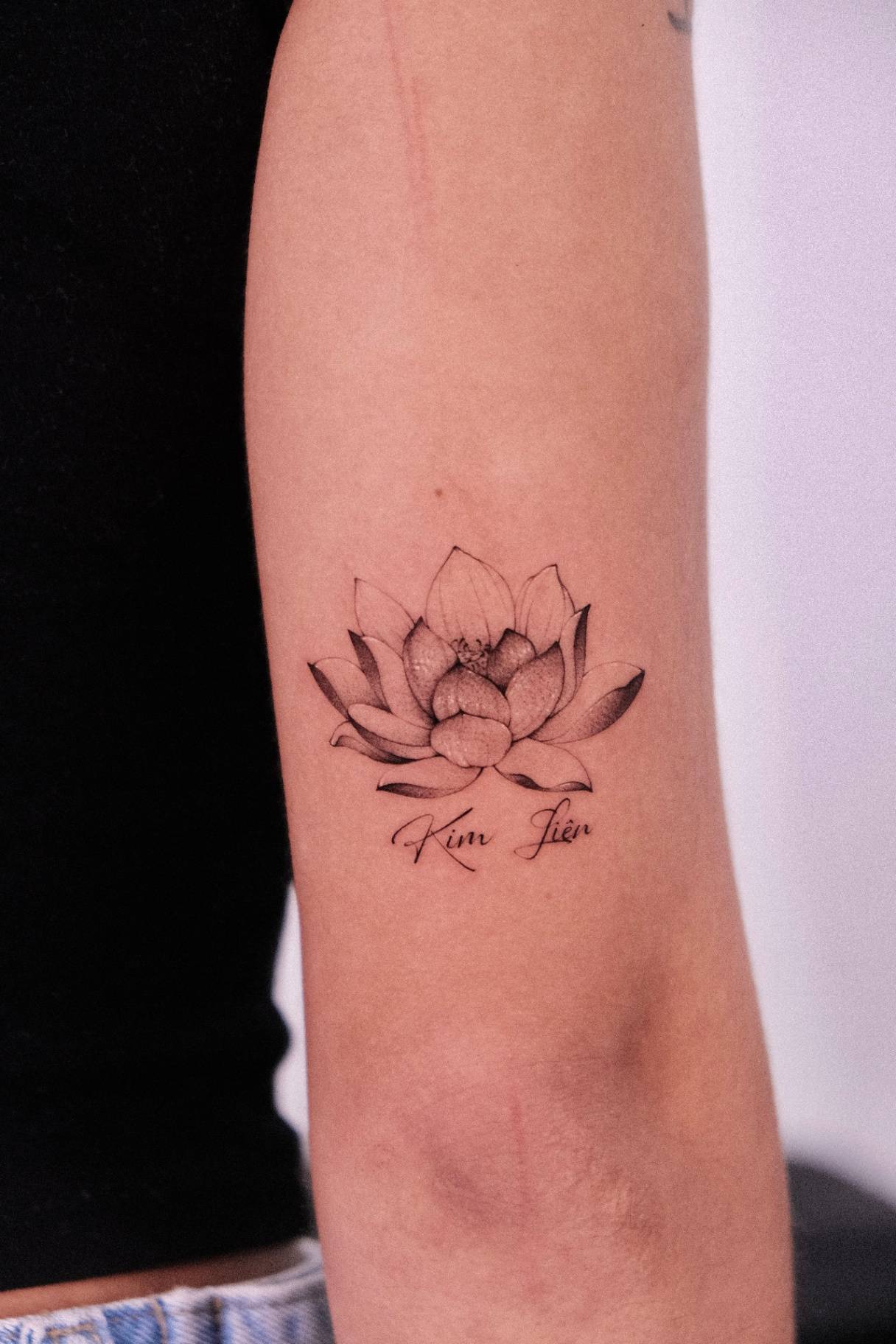
What Vietnamese Tattoo Designs Mean at Su Tran
Vietnamese tattoo designs are pieces built around an object, scene, or symbol that reads as Vietnam at a glance — a conical hat, a lotus bloom, a street food cart, a folk toy from a countryside market. At Su Tran Tattoo, this line did not start as a marketing concept. It grew out of a repeated request from clients who wanted something that captured a trip, a hometown, or a family's roots, rather than a generic flash design pulled straight off the studio wall.
Over several years that request turned into a dedicated gallery, now a 293+ piece archive spanning both the Hanoi and Ho Chi Minh City studios. Tourists finishing a Vietnam trip, Vietnamese people living abroad, and locals who simply love their own culture kept bringing references that had little to do with Western tattoo trends and everything to do with home. That history is why the gallery reads like a shared sketchbook of Vietnam, not a style catalogue.
Signature Motifs Inside the 293+ Piece Collection
Five motif groups repeat across the archive, each with its own visual logic and its own small story.
Vintage postage stamps sit at the center of the collection. Old Vietnamese stamps often carried an animal alongside the postmark, and clients now ask for that same frame wrapped around a zodiac or birth-year animal. A goat rendered inside a stamp border on the thigh is one of the pieces clients request again and again, since it turns a birth-year animal into something that looks collected.

Polaroid-style pieces are the second recurring group. A conical hat, a street scene, or a single object gets framed inside a snapshot border, echoing the habit of pinning instant photos into a travel journal. It suits clients who want a keepsake tattoo rather than a full illustration, since the frame alone signals memory.

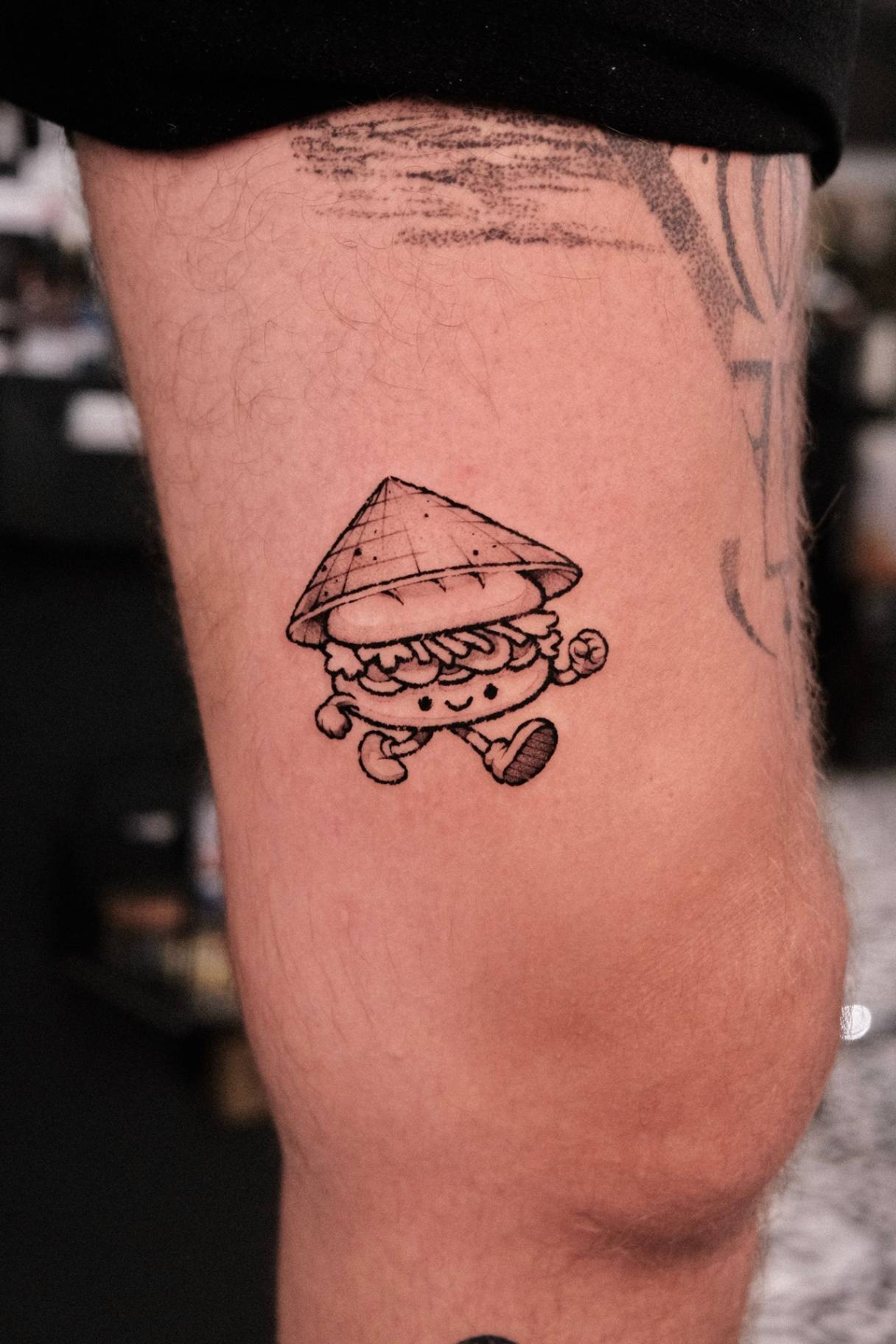
Playful mascots make up a third, lighter group — a banh mi loaf given a face and a conical hat, rendered in a comic, sticker-like style. These pieces trade the sentimental tone of the stamps and polaroids for humor, and they tend to land on visible spots like the forearm, where clients want them noticed and asked about.

A fourth group turns toward classical iconography: a dragon coiled around a blooming lotus, drawn as a chest piece that reads as a statement rather than a memento. The dragon signals strength and lineage in Vietnamese folklore, while the lotus stands for resilience rising out of mud — a pairing clients choose for a larger, permanent-feeling piece.

A fifth, smaller group leans into humor: a frog wearing a conical hat, drawn the same comic way as the banh mi mascot. It appears less often than the other four groups, but it is proof the gallery has room for a joke alongside the pieces that carry real sentimental weight.
Who Chooses This Line of Tattoos
Three types of clients account for most of the requests in this gallery. The first is the traveler who wants a permanent marker of a Vietnam trip rather than a photo that stays buried in a camera roll — a group that has grown alongside tattoo tourism in Vietnam as more visitors now build a tattoo appointment into their itinerary.
The second group is Vietnamese people living abroad who want a piece that ties them back to a country they may only visit once every few years. For them the tattoo is less souvenir and more anchor, and they tend to spend the most time choosing reference photos.
The third group is local clients and culture enthusiasts who love the visual language of their own country and want it worn rather than just seen. Many of them book at the Ho Chi Minh City studio, where Vietnamese-style tattoos in Ho Chi Minh City have become one of the most requested categories.
Matching Style to Motif
Not every motif in this gallery is drawn the same way, and picking the right technique matters as much as picking the right image. Stamps and polaroid pieces almost always work best in fine line — the thin, controlled strokes keep the small text, borders, and frame details crisp instead of blurring together after a few years.
Mascots and lantern-style pieces call for the opposite approach: bright, saturated color that gives the character its personality and keeps it readable from a distance. A conical hat tattoo drawn on a mascot usually needs flat color blocks rather than fine shading to stay charming.
Dragons, lotus flowers, and larger landscape scenes usually suit an ink-wash treatment, borrowed from traditional Vietnamese brush painting, where gradients of black and grey stand in for detail instead of hard outlines. Getting this wrong is not just a style mismatch — it is why an artist who understands Vietnamese culture matters. A conical hat with the wrong brim curve, a stamp with an invented postmark, or a lotus mistaken for an unrelated flower are the kind of detail errors that only a culturally fluent, Vietnam-based artist reliably avoids.
Pricing and Process at Su Tran
Most pieces in this gallery are sized to be finished in a single sitting. Small souvenir designs — a stamp, a polaroid frame, a single mascot — are the fastest, and many clients walk in without an appointment and walk out with a finished tattoo the same afternoon, which suits travelers with a tight Vietnam itinerary.
Larger works, like a full dragon-and-lotus chest piece, still get booked as a proper session with a consultation first, since color saturation and ink-wash shading take longer to execute cleanly. Exact cost depends on size, placement, and color, and clients comparing studios can check current tattoo price in Hanoi figures before booking.
Every artist working on this gallery speaks English, which matters for a design category built mostly around visiting or overseas clients. References, placement, and sizing get discussed directly with the artist rather than through a translator, so small details in a stamp border or a mascot's expression do not get lost in translation.
FAQ
How long does a small souvenir piece take?
Most stamp, polaroid, and single mascot designs finish in one sitting, usually somewhere between 45 minutes and two hours depending on size and color.
Are the designs ready-made, or drawn to order?
The gallery works as a reference library rather than a fixed flash sheet. Clients pick a motif they like, then the artist adjusts size, placement, and small details before the session.
How do international clients book a session?
Most bookings happen online or by message ahead of arrival, with reference photos shared in advance so the design is roughly finalized before the client sits down.
How soon after getting tattooed can I go swimming in the ocean?
Fresh tattoos should stay out of seawater, pools, and direct sun for at least two weeks while the skin heals, which is worth planning around if a beach stop follows the tattoo appointment.
Roughly how much does a piece like this cost?
Small single-sitting pieces sit at the lower end of the studio's pricing, while larger color or ink-wash work costs more; exact quotes follow a look at the chosen reference.