

- Home
- Blog
- Tattoo Guide
- Tattoo Numbing Cream: Does It Work, Is It Safe and When to Apply It
Tattoo Numbing Cream: Does It Work, Is It Safe and When to Apply It


What Is Tattoo Numbing Cream?
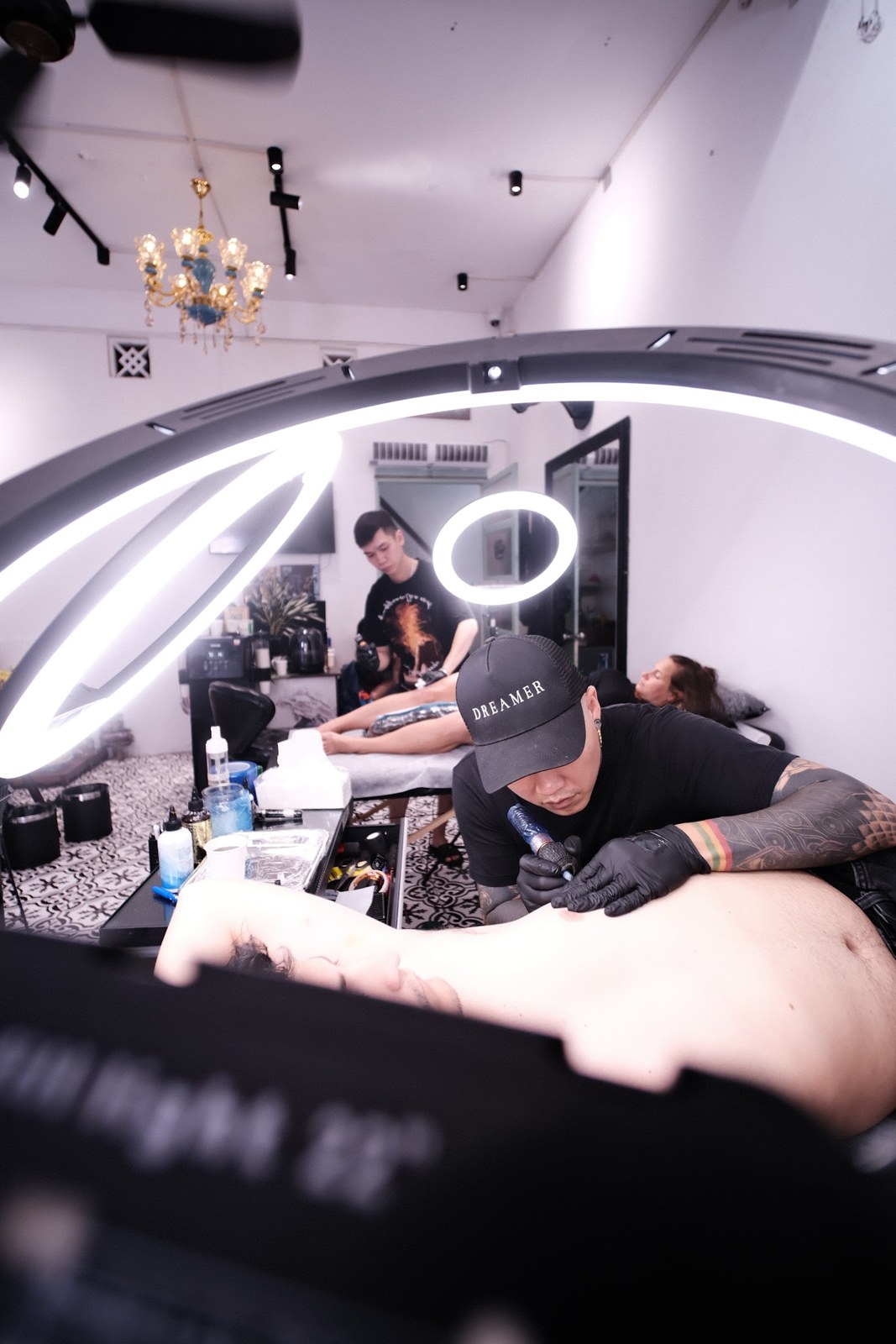
Tattoo numbing cream is a topical anaesthetic that dulls pain on the surface of the skin. Most products use lidocaine, sometimes mixed with prilocaine or tetracaine. You spread it on the area before the session, and it blocks some of the nerve signals for a while.
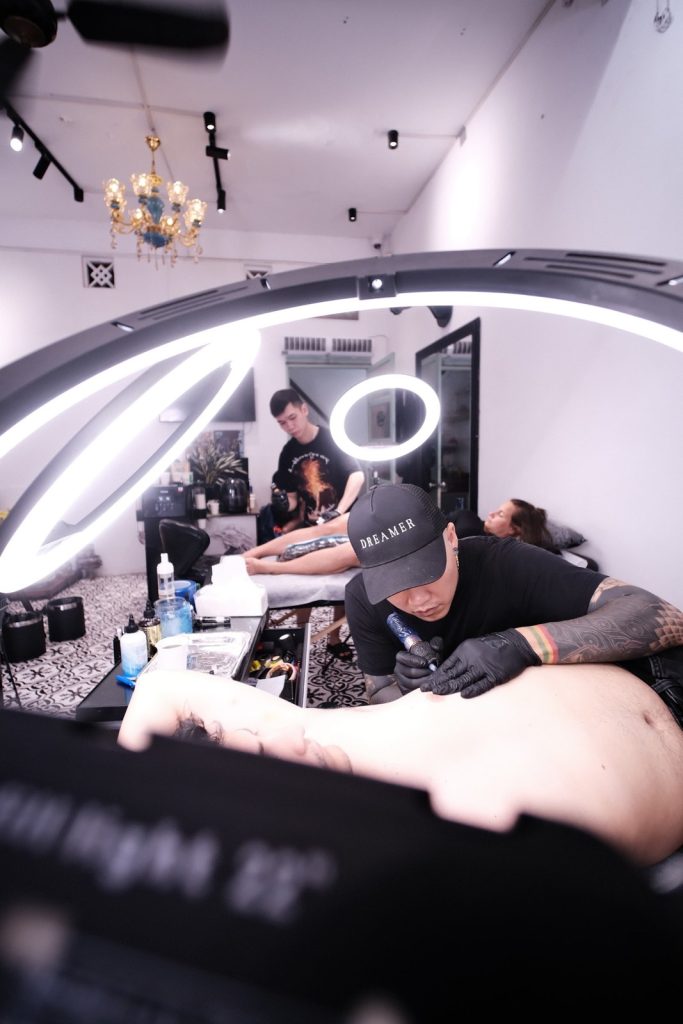
At Sutran Tattoo, clients often ask us about numbing cream. Our answer is always the same. It can help, but only if your artist knows about it before the needle starts.
Does Tattoo Numbing Cream Work?
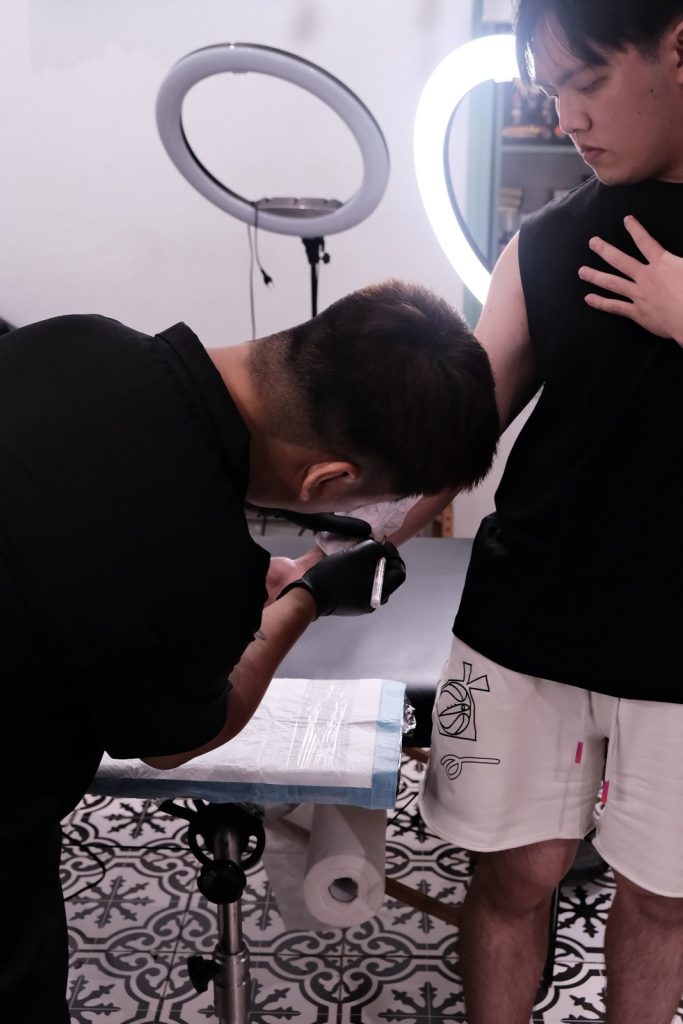
Yes, for a limited time and a limited depth. A good cream takes the sharp edge off the first part of a session. It works best on outlining and on short sessions under two hours.
It does not make a long session painless. As the cream wears off, the skin is already sore and swollen. Some people find the second half feels worse because the change is sudden.
How Long Does Numbing Cream Last?
Most creams need 45 to 60 minutes on the skin before they start working. The numb feeling then lasts about one to two hours. Thick products under plastic wrap may last a little longer.
This is why timing matters. If you apply it at home and the session starts late, much of the effect may be gone. Plan the timing with your artist on the day.
Is Numbing Cream Safe for Tattoos?
For most healthy adults, a small amount on a small area is low risk. The problems start when people use too much or cover too much skin. Large areas absorb more of the drug into the body.
Talk to a doctor first if you are pregnant, have heart problems, take regular medication or have reacted to a local anaesthetic before. If you feel dizzy or sick, or notice ringing ears, numb lips or an uneven heartbeat, wipe the cream off and get medical help. Read the label and follow the dose.
Can Numbing Cream Affect the Tattoo?
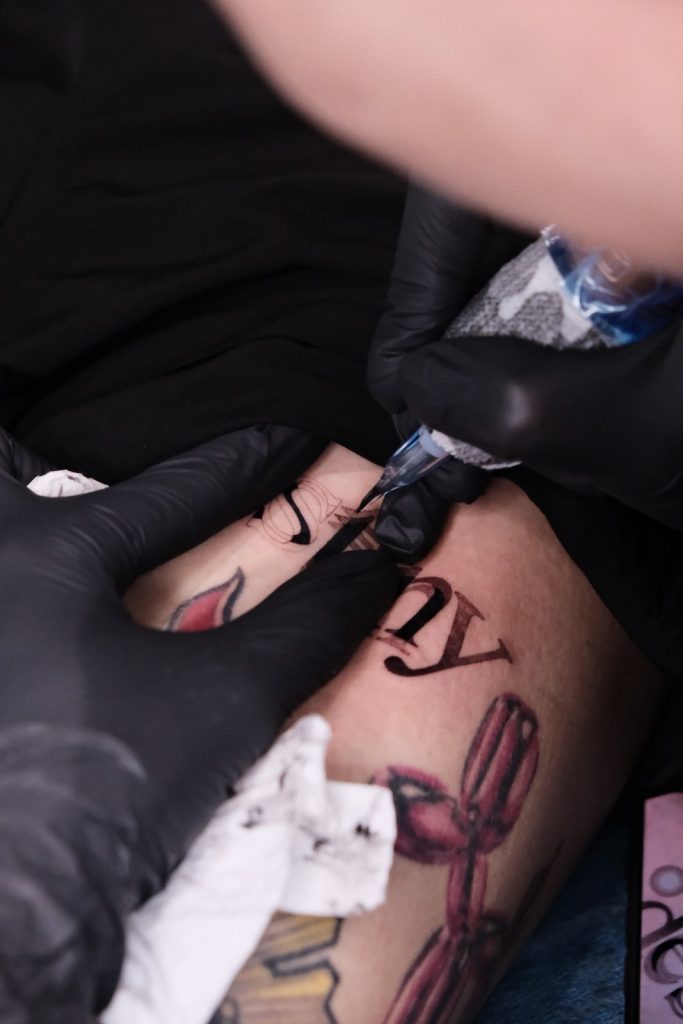
It can. Some creams make the skin puffy, slick or rubbery. The artist then has a harder time judging needle depth. Lines can come out uneven, and colour can sit patchily.
This is the main reason artists dislike surprise numbing. Showing up with cream already on and saying nothing is a common cause of uneven linework. Our article on what to avoid before your appointment covers this and other common mistakes.
How to Apply Numbing Cream Before a Tattoo
Always agree on the plan with your artist first. If they say yes, follow these steps:
- Wash the area with soap and water and dry it fully.
- Spread a thick, even layer over the area, as the label directs.
- Cover it with plastic cling film so it does not dry out.
- Wait the time on the label, usually 45 to 60 minutes.
- Let the artist wipe the cream off and clean the skin before the stencil goes on.
Do not shave or scrub the area right before the cream goes on. Broken skin absorbs the drug faster than intact skin.
Numbing Spray and Gel During the Session
Creams go on intact skin before the tattoo. Some artists also use sprays or gels made for skin that has already been worked on. These are applied by the artist during the session, not by the client.
Not every artist uses them, and that is a fair choice. Some find that these products change how the skin takes colour. If you want this option, ask about it in the consultation, not halfway through the session.
Placements Where Numbing Cream Helps Most
Pain changes a lot from one body part to another. Numbing cream is most useful where the skin is thin or close to bone.
| Placement | Typical pain | Is numbing worth asking about? |
| Outer forearm, outer thigh | Low to moderate | Rarely needed |
| Upper back, calf | Moderate | Only for long linework |
| Ribs, sternum, spine | High | Often worth discussing |
| Feet, ankles, hands | High | Often worth discussing |
| Inner elbow, behind the knee | High | Often worth discussing |
Our guide on how much a tattoo hurts explains pain by placement in more detail.
Other Ways to Make a Session Easier
Numbing cream is only one tool. Simple habits often make a bigger difference over a long day.
- Eat a proper meal one to two hours before you arrive.
- Sleep well the night before and skip alcohol.
- Bring water and something sweet for breaks.
- Split a large piece into shorter sessions.
Most clients find the first 15 minutes the hardest. After that, the body settles into the rhythm.
Common Myths About Numbing Cream
“More cream means less pain”
It does not. A thicker layer than the label suggests adds risk without adding much effect. Follow the dose on the box.
“It works the same for everyone”
People react differently. Thick skin, oily skin and some placements absorb less cream. A product that works well for a friend may do little for you.
“Using cream is cheating”
It is not. Choosing to manage pain is a personal decision. What matters is that the artist knows and agrees, so the tattoo still turns out well.
Buying Numbing Cream in Vietnam
Many pharmacies sell lidocaine creams. Ask the pharmacist about the strength and how large an area it can cover. Check the active ingredient and its strength on the box. Take a photo of the label and send it to your artist before you apply anything.
Aftercare When You Used Numbing Cream
Aftercare is the same as for any tattoo. Wash gently, pat dry and keep a thin layer of moisturiser on the skin. The area may feel more tender for a few hours after the session.
Some people notice extra redness for a day. Watch for a rash or itching that spreads beyond the tattoo, which can mean a reaction to the cream. Our tattoo healing stages guide shows what normal healing looks like day by day.
What to Tell Your Artist About Pain
Artists cannot feel what you feel, so clear information helps. Tell them if you have fainted during injections before, if you are very anxious, or if you take medication that affects bleeding.
During the session, say so when you need a break. A short pause for water or fresh air is normal. Holding your breath and tensing up makes the pain worse and the skin harder to work on.
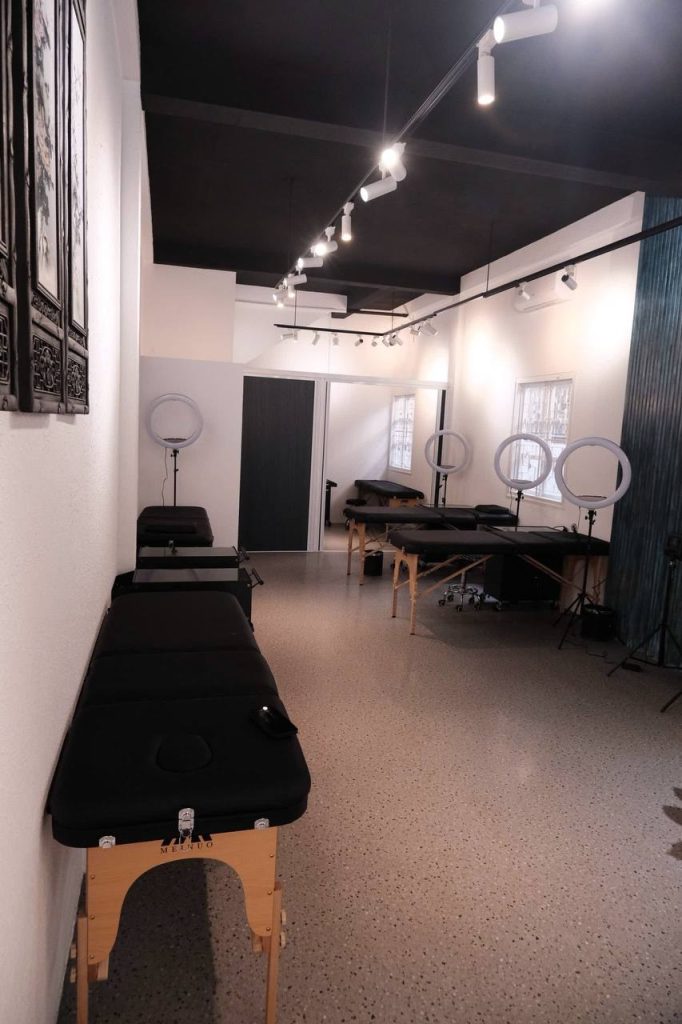
We can suggest a placement, a session length or a product that suits the design. Visit our studio on Ton That Tung Street or message us on Zalo at 0789 55 7559 before your appointment.
Frequently Asked Questions
Should I put numbing cream on before my tattoo appointment?
Only after your artist agrees. Some artists prefer to apply it at the studio so they can control the timing and the product.
Can numbing cream mess up a tattoo?
It can if the skin swells or turns slick. That makes needle depth harder to judge. Telling your artist lets them adjust their technique.
How long before a tattoo should I apply numbing cream?
Usually 45 to 60 minutes before the needle starts. Check the product label and agree the timing with your artist.
Does numbing cream work for a full sleeve?
Not for the whole session. It covers a small area for one to two hours, so it helps most during the first part of a long sitting.
RELATED POST

How Long Does It Take to Get a Tattoo? Session Times by Size and Style
10 November 2026

Compass Tattoo Meaning: Direction, Travel & Ideas
28 October 2026

Butterfly Tattoo Meaning: Change, Freedom & Ideas
25 October 2026

Unalome Tattoo Meaning: Lotus, Direction & Placement
23 October 2026

Sun and Moon Tattoo Meaning: Balance, Love & Ideas
21 October 2026

What to Wear to a Tattoo Appointment (By Placement)
11 October 2026