

- Home
- Blog
- Tattoo Ideas
- Which Ear Should You Pierce? Left vs Right for Men and Women
Which Ear Should You Pierce? Left vs Right for Men and Women


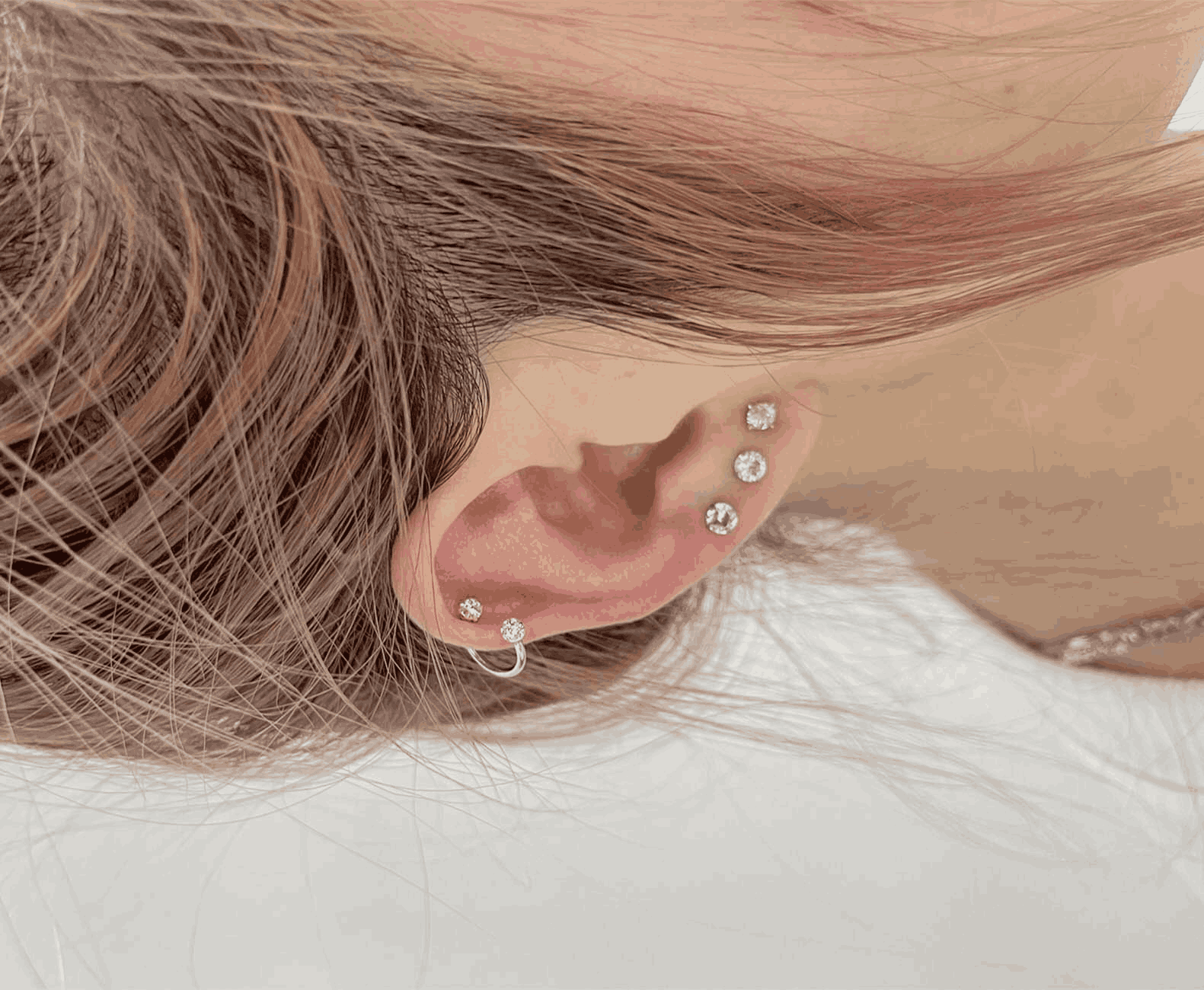
Ask around in Vietnam and you’ll still hear people debate which ear a man or woman “should” pierce. The short answer is that no side is more correct than the other, but the question has real cultural roots worth understanding — especially if you’re piercing your ears here for the first time and curious about what locals actually think.
Ear Piercing Side for Men: Old Myths vs Modern Reality
The idea that a man’s ear piercing side signals something about his identity traces back to older Western folklore, where a left-ear piercing was read as conventionally masculine and a right-ear piercing was, unfairly and inaccurately, tied to sexuality. That reading has largely faded, and it barely registered in Vietnam and much of Asia to begin with.
In Vietnamese custom, you’ll sometimes hear the phrase “nam tả, nữ hữu” — men to the left, women to the right — a much older convention rooted in traditional gender symbolism rather than any Western myth. It’s a cultural reference point some older generations still mention, not a rule anyone enforces today.
Among younger men choosing where to get pierced now, the decision comes down entirely to personal style. Some prefer a single stud on the left for a clean, understated look; others go for both lobes, or add cartilage points like the helix for something bolder. There’s no wrong answer as long as you’re comfortable with it.

Ear Piercing Side for Women: Tradition and Style Today
For women, Vietnamese tradition leans toward the right ear, associated with softer, more classically feminine energy in older symbolism. Piercing both ears is also common and is sometimes framed in folk belief as balancing yin and yang energy across the face.
In practice, most women today choose based on comfort and how earrings sit with their hairstyle rather than any symbolic rule. Double piercings, a mix of lobe and cartilage points like helix or tragus, and asymmetric setups with different jewelry on each ear are all common looks in Vietnamese studios right now.
Balancing Symbolism With Personal Style
Cultural context is interesting to know, but it shouldn’t be the deciding factor for a piece of jewelry you’ll wear every day. If a piece of the tradition resonates with you, there’s nothing wrong with choosing your side accordingly. If it doesn’t, picking based on your face shape, your existing piercings, or simply which side looks better in the mirror is just as valid.
Safety Tips Before and After Your Piercing
Whichever side and placement you choose, the aftercare basics stay the same:
- Go to a professional studio with sterile, single-use needles rather than a piercing gun, which can crush tissue and is harder to fully sterilize.
- Keep hands off the fresh piercing between cleanings — hands carry bacteria that can easily cause infection in an open wound.
- Clean gently with saline solution once or twice a day rather than harsh alcohol, which can dry and irritate healing skin.
- Don’t rush the jewelry change. Lobes typically need four to six weeks before a first change, while cartilage points like helix or tragus need three months or more.
- Watch for real warning signs — persistent redness, swelling that spreads, or thick discharge are reasons to see a professional, not something to wait out on your own.
Where to Get It Done Right
Su Tran Tattoo Studio pierces both ears with the same sterile standards regardless of which side or placement you choose, and staff are happy to talk through the cultural background if you’re curious rather than just pointing you toward a chair. Travelers can book piercing in Hanoi in the north or piercing in Ho Chi Minh City in the south, with the same jewelry quality and hygiene protocol at both locations.
Frequently Asked Questions
Does the side I pierce actually mean anything today?
Not in any way that affects how people see you day to day. The left-right symbolism is a cultural reference rooted in older tradition, and most people in Vietnam now choose based on personal style rather than any fixed meaning.
Can I pierce both ears at the same time?
Yes, piercing both ears in one visit is common and doesn’t meaningfully change healing time compared to doing one ear. Just keep up the same cleaning routine on both sides.
Is a piercing gun safer than a needle for ear piercings?
No — a sterile, single-use needle is generally considered safer than a gun, which applies blunt force that can bruise tissue and is difficult to fully sanitize between uses, especially for cartilage.
How long before I can change earrings after a lobe piercing?
Most studios recommend waiting at least four to six weeks for a lobe piercing before changing jewelry, and longer for cartilage. If in doubt, have your piercer check that healing is complete first.
RELATED POST

Phoenix Tattoo: Meaning, Rising Phoenix and Design Ideas
28 September 2026

Watercolor Tattoo: Styles, Design Ideas and How It Ages
25 September 2026

Fineline Tattoo: The Complete Guide to Delicate, Detailed Ink
22 September 2026

Stamp, Lantern & Hand Fan Tattoo: Meaning, Style & Design Guide
21 September 2026

Walk-In Tattoo Hanoi: Same-Day Designs and When to Book
20 September 2026

Asian Big Pieces Tattoo: The Complete Guide to Large-Scale Asian-Style Tattoos
20 September 2026